
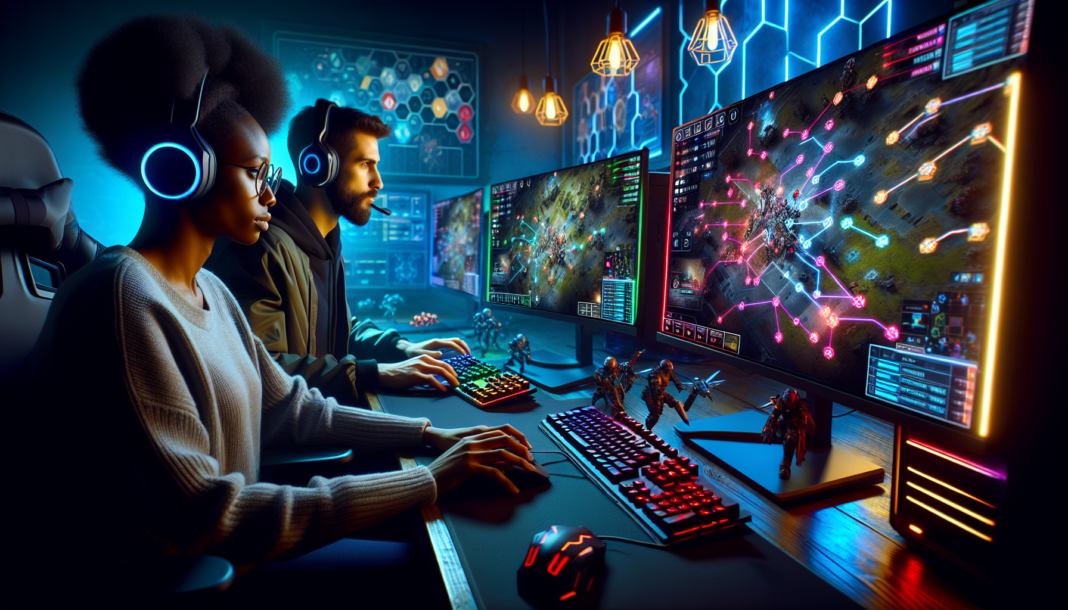
Competitive multiplayer PC games have evolved dramatically over the years. As the gaming landscape becomes increasingly complex, players are continuously seeking strategies to outsmart and outperform their opponents. This article delves into advanced strategies that can elevate your gameplay, focusing on key elements like teamwork, position play, mind games, and adaptability.
Understanding Game Mechanics
Before diving headfirst into advanced strategies, it’s crucial to have a solid grasp of the game mechanics. Whether you’re playing a first-person shooter (FPS) or a real-time strategy (RTS) game, understanding the core mechanics can significantly enhance your performance. Knowledge of game physics, weapon handling, unit strengths, and abilities can help you make informed decisions and outmaneuver your opponents. Spend time in practice modes, read up on patch notes, and watch tutorials to familiarize yourself with nuances that could give you an edge.
Mastering Communication and Teamwork
In competitive multiplayer games, effective communication and teamwork often separate good teams from great ones. Familiarize yourself with the in-game voice chat or messaging system, and don’t shy away from using it. Establishing roles—such as whether you’ll be the aggressor, support, or scout—can lead to more cohesive strategies. Remember, it’s not just about personal skill; the synergy between teammates can amplify your chances of victory. Regularly practice with a consistent group of players to improve your coordination and trust.
Positioning: The Art of Tactical Placement
Positioning is fundamental in competitive play. Whether you’re hiding behind cover in an FPS or strategically placing units in an RTS, where you place yourself can drastically influence the outcome of encounters. Learn to recognize advantageous positions on maps—high ground, chokepoints, and areas with good visibility are often critical. Additionally, being unpredictable with your movements can keep your opponents guessing. Practice different approaches to positioning and adapt based on the map and the flow of the game.
Reading Opponents: Mind Games
Understanding your opponent’s mindset is one of the most effective strategies you can employ. This is particularly important in games with limited information, like fighting games or MOBAs. Observe your opponent’s habits—are they aggressive or cautious? Do they tend to overcommit or play defensively? Reacting accordingly can provide you with a strategic advantage. Bluffing or feigning weakness can also throw your opponent off their game, causing them to make mistakes. The mental aspect of gameplay is often overlooked but can be pivotal in competitive matches.
Optimizing Loadouts and Customization
Customizing your loadout can have a significant impact on your performance. Experiment with different weapons, abilities, and builds to find what suits your playstyle best. In games with a crafting or customization element, invest time in understanding the best combinations and upgrades. Take note of trends in the meta, and don’t hesitate to adapt your strategy as new updates and balance changes are released. Tailoring your equipment and abilities to fit both your strengths and the matchup can give you a competitive edge.
Map Awareness and Control
Developing a deep awareness of the game maps is essential for competitive success. Each map has unique features, shortcuts, and hazards that can be exploited. Spend time studying layouts, choke points, objectives, and common ambush spots. Knowing the maps inside out allows you to anticipate enemy movements and control key areas. Additionally, maintaining map control is vital. In games where resources spawn at specific locations, controlling these points can tip the scales in your favor.
Adaptability and Learning from Defeats
In the dynamic world of competitive gaming, adaptability is key. No two matches are identical, and the ability to assess your performance and make adjustments in real-time can be the difference between victory and defeat. If you find a particular strategy isn’t working against a specific team or player, don’t hesitate to pivot. Review past matches—many games offer replay features—to identify your own mistakes and learn from them. Embrace losses as learning opportunities; every defeat can teach you something valuable.
The Importance of Training and Consistency
Finally, consistent practice is essential for honing your skills. While natural talent plays a role, it’s dedication and persistence that often yield the best results. Set aside time for deliberate practice, focusing on specific areas of your gameplay. This could include aiming drills, strategy simulations, or even watching professional players to dissect their methods. Consistency not only improves your mechanics but also builds muscle memory, which can be the deciding factor when the pressure mounts.
Diving into competitive multiplayer PC games can be thrilling and challenging. By focusing on these advanced strategies, you’ll be better equipped to tackle opponents head-on and pave your way to becoming a formidable player.