In the fast-paced world of competitive gaming, familiarity with game maps can be the difference between victory and defeat. Understanding how to navigate these virtual landscapes effectively allows players to strategize, communicate, and leverage terrain advantages. This article delves into various aspects of using game maps successfully, from basic navigation to advanced strategies.
Understanding Unique Map Features
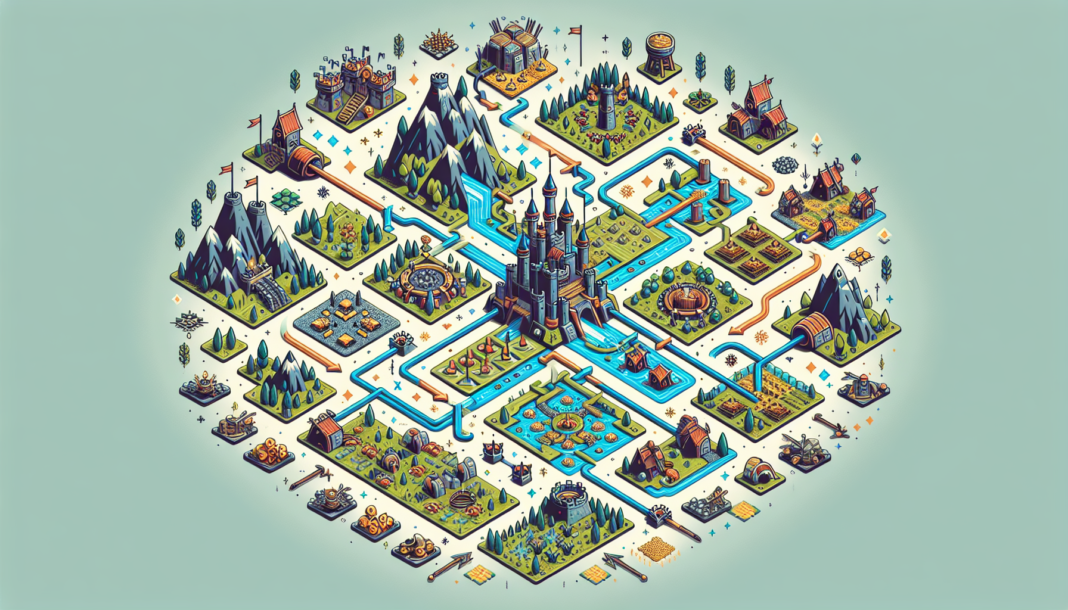
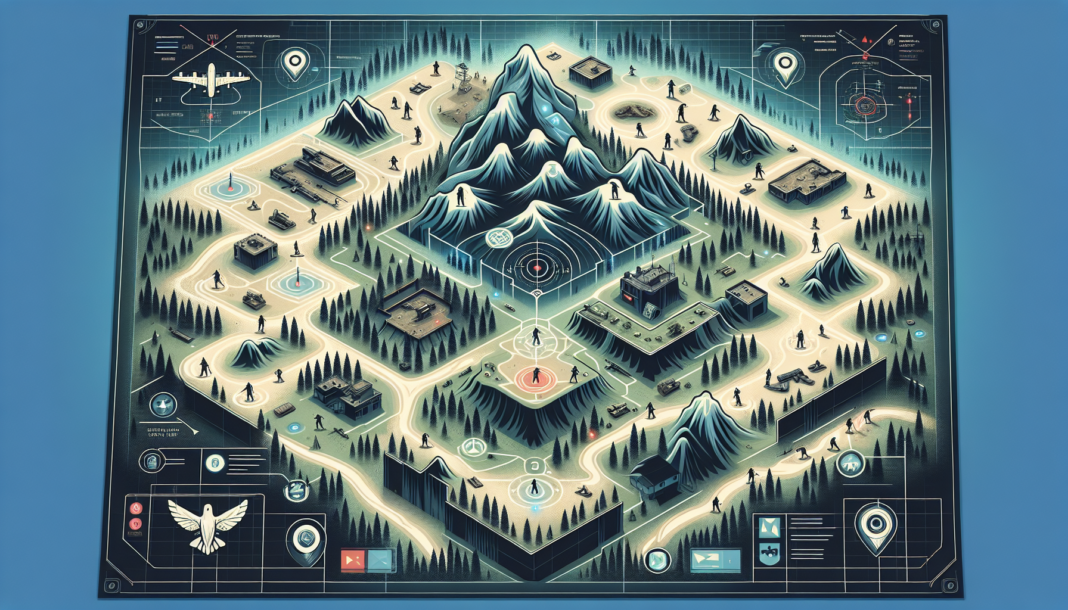
Every game map is designed with unique features that can heavily influence gameplay. Whether it’s elevation changes, choke points, or hidden paths, being aware of these elements allows you to strategize more effectively. For instance, in a first-person shooter, high ground often offers advantages for snipers. Similarly, knowing where to find health packs or loot can turn the tide in your favor.
Take some time to study each map before diving into competitive matches. Familiarize yourself with key locations, objectives, and major landmarks. This knowledge not only helps you navigate better but also allows you to anticipate enemy movements based on common routes and cover spots.
Effective Communication with Team Members
Communication is crucial in competitive gameplay, and map awareness amplifies your ability to convey useful information. By using map-specific terminology, players can relay their plans and observations more effectively. For instance, instead of saying "over there," referencing specific parts of the map—like "the blue building" or "the left flank"—offers clear guidance.
Utilizing pings or markers in-game can further enhance communication. Indicating enemy positions, loot spots, or strategy points allows teammates to stay informed without cluttering voice channels. The more concise and clear your communication, the better your team can coordinate attacks or defenses.
Mastering the Art of Positioning
Positioning is vital in any competitive match. Understanding the map layout can help players choose advantageous positions that provide cover, sightlines, or escape routes. For example, positioning yourself near choke points allows you to control enemy movement, forcing them to engage on your terms.
Moreover, aware players can anticipate where opponents will likely approach from, allowing you to set ambushes or plan counters accordingly. Always consider how map geometry can protect you while maximizing your line of sight. Positioning is not just about where you stand; it’s about understanding the dynamics of the environment around you.
Adapting Strategies Based on Map Size and Type
Maps come in various sizes and types, each demanding unique strategies. A large, open map allows for long-range engagements, while a smaller, more enclosed map encourages close-quarters combat. Recognizing these differences ensures that you adapt your approach based on the environment.
In expansive maps, consider utilizing vehicles or traversal mechanics to quickly reposition or flank enemies. For compact maps, focus your strategy on close-quarters tactics such as ambushes or tight engagements. Adapting your strategy based on the map’s characteristics could be a game-changer, enabling you to outsmart and outmaneuver your opponents.
Utilizing Resources and Opportunities
Many competitive games feature resources scattered throughout their maps, and knowing where to find these can provide an edge. In games with weapon spawns or power-ups, controlling key areas that host these resources can be pivotal.
Knowing the respawn timing of items or the layout of resource distribution can inform your strategy throughout the match. Always have an eye on these opportunities and plan your movements accordingly. This aspect ties back into map knowledge; the more familiar you are, the better positioned you will be to seize advantages.
Understanding Enemy Movement Patterns
Every player has tendencies, and observing these can offer invaluable insights, especially when combined with map awareness. Different maps often lead to specific pathways and decisions, creating patterns in how enemies engage. Watching for these can allow you to predict enemy actions, setting you up for successful counterplays.
Use this knowledge for both offensive and defensive strategies. If you notice an enemy frequently using a certain pathway, you can set up traps or ambushes. Likewise, when playing defensively, be prepared to reposition when you expect enemies to come through particular routes.
The Importance of Practice and Familiarity
Effective map usage ultimately comes down to practice. The more familiar you are with the map and its nuances, the more instinctively you can react in real-time situations. Regular practice through scrims, casual matches, or training scenarios is essential for building muscle memory related to map navigation and navigation strategies.
Additionally, consider analyzing your matches to identify areas where map usage could have improved. Watching replays can clarify positioning errors or missed opportunities tied to map knowledge, helping you refine your approach for future matches.
Creating a Strategic Playstyle around Map Dynamics
Finally, creating a personal playstyle that integrates map dynamics can truly elevate your game. Whether you prefer a stealthy approach utilizing cover, a bold offensive style that takes risks, or a defensive strategy using map geometry to your advantage, understanding how to incorporate the map into your gameplay style is crucial.
Experiment with different strategies across various maps to discover what best complements your skills. Adaptability is key; being able to switch tactics or roles depending on the map environment will not only make you a more versatile player but also enhance your team’s overall performance.
By focusing on these various elements of effective map usage, competitive players can significantly enhance their gameplay skills and elevate team performance. The journey to mastering game maps is a continuous process, rich with opportunities for learning and improvement. Happy gaming!