In the fast-paced world of competitive gaming, split-second decisions can mean the difference between victory and defeat. Improving your reaction time is crucial not only for enhancing personal performance but also for gaining an edge over your competition. Whether you’re an aspiring pro or a casual gamer wanting to climb the ranks, here are several strategies to help sharpen your reflexes and boost your gaming performance.
Understanding Reaction Time
Before diving into specific techniques, it’s important to grasp what reaction time really is. Essentially, reaction time refers to the delay between perceiving a stimulus and responding to it. In gaming, this could mean recognizing the enemy’s movements, dodging attacks, or executing a complex combination of moves. Factors affecting reaction time include physiological aspects, such as age and fitness level, as well as mental elements like focus and experience. Knowing this lays the groundwork for understanding how to improve.
Training Your Brain
Cognitive training exercises can enhance your mental agility, which plays a crucial role in reaction time. Games designed to test and improve your reflexes, such as "reaction trainers" or puzzle games like "Lumosity," can challenge your brain and improve quick-thinking skills. Regularly engaging in activities that require rapid decision-making can also boost your mental response speed. Try setting up drills where you need to react to changing visual stimuli and track your improvement over time.
Practicing with Purpose
Deliberate practice is essential for enhancing your skills. Focus on specific scenarios in your favorite games where reaction time is crucial. For instance, if you’re playing a first-person shooter (FPS), practice your aim by engaging in target-tracking drills. Many games provide training modes or custom maps specifically for this. By isolating aspects of gameplay that require quick reactions, you can refine your skills without the distraction of full-tournament pressure.
Physical Fitness
Believe it or not, your physical fitness can significantly impact your reaction time. Regular cardiovascular exercise increases blood flow to the brain, improving overall cognitive function and quicker reflexes. Activities such as running, swimming, or playing sports can build not only stamina but also the neural pathways crucial for fast reactions. Incorporating resistance training can enhance your overall body coordination, leading to improved hand-eye coordination as well.
Nutritional Support
What you put into your body affects how well it performs. A balanced diet rich in vitamins, minerals, and antioxidants can enhance brain function. Foods high in omega-3 fatty acids, such as fish and nuts, have been shown to improve cognitive performance. Staying well-hydrated is equally important; even mild dehydration can impair cognitive responses. Consider tracking your nutrition to ensure you’re fueling your body for optimal reaction times.
Creating the Ideal Gaming Environment
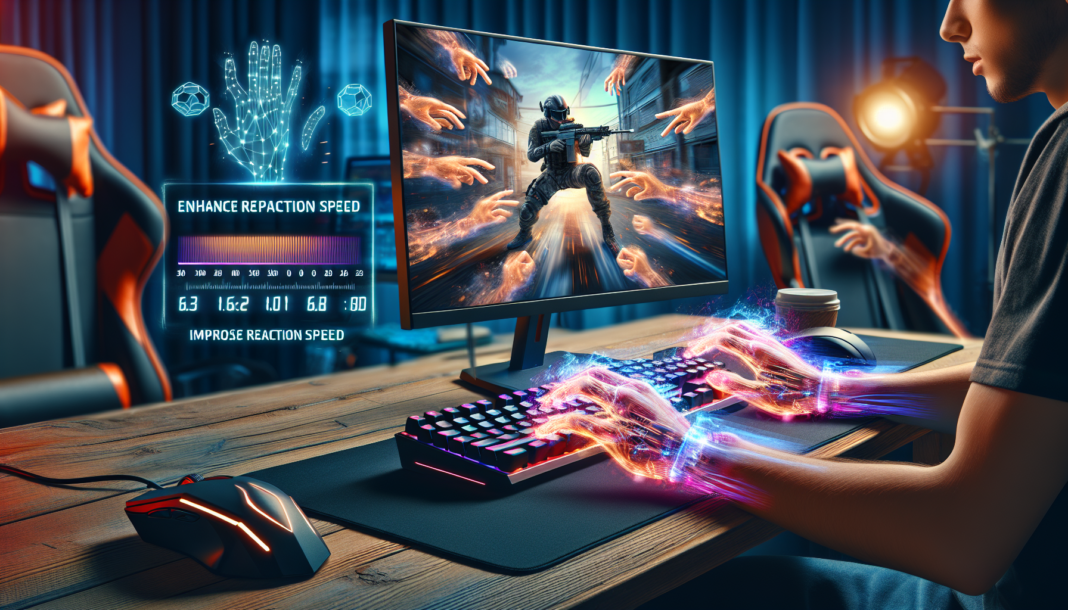
Your gaming setup plays a pivotal role in how you perform. A cluttered or uncomfortable space can distract you, ultimately slowing your reaction times. Ensure your gaming area is organized and that your chair and monitor are at appropriate angles to maximize comfort and focus. Additionally, adjusting your in-game settings—like lowering mouse sensitivity—can improve precision in your movements, facilitating quicker responses to in-game stimuli.
Incorporating Warm-Up Routines
Just as athletes warm up before a game, you should have a warm-up routine that gears you up for competitive gaming. Spend the first few minutes engaging in light drills to get your reflexes firing. Playing a few quick matches, performing aim training, or even doing hand stretches can prepare your body and mind for the intensity of competition. This not only enhances your reaction times but also gets you into a focused mindset.
Utilizing Technology for Training
Advancements in technology offer various tools specifically designed for enhancing reaction time. Software applications and online platforms that utilize drills and training simulations can provide immediate feedback on your performance. Devices like gaming mice with adjustable DPI settings or keyboard macros allow for quicker actions and can be programmed to suit your playstyle. Embracing these tools can elevate your game by providing you with the means to react faster.
Mindfulness and Focus
In gaming, remaining calm under pressure is essential. Techniques such as mindfulness, which involves maintaining awareness and focus, can significantly decrease stress levels during critical moments. Investing time in mindfulness exercises, such as meditation or breathing techniques, helps improve your concentration and allows quicker processing of visual and auditory stimuli, thus enhancing your reaction time.
Learning from Analysis
Finally, reviewing your gameplay recordings can provide invaluable insights that ultimately sharpen your reflexes. By analyzing your performance, you can identify your weaknesses and, in turn, create focused practices to address these areas. Look for moments where your reaction time lagged and dissect the situation; understanding these elements can help you develop strategies to improve.
Improving your reaction time is a multifaceted endeavor that requires commitment and a strategic approach. By focusing on cognitive training, physical fitness, nutrition, and personalized practice routines, you’re well on your way to becoming a faster, sharper, and more competitive gamer.